
Advanced Wood Processing Machines Revolutionizing the Timber Industry

Advanced Wood Processing Machines: Revolutionizing the Timber Industry
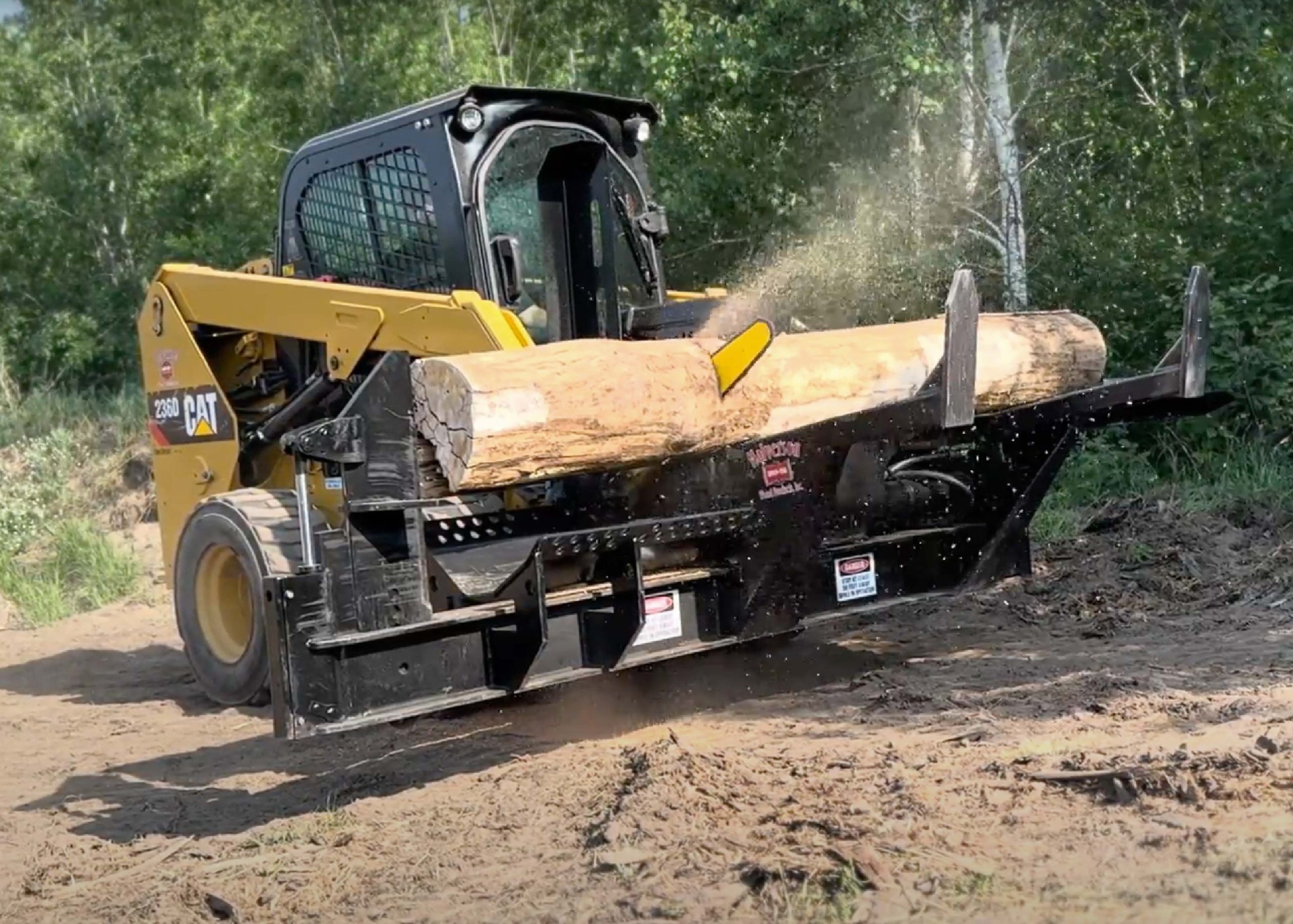
The world of timber processing is undergoing a significant transformation due to the advent of advanced wood processing machines. These machines are designed to enhance efficiency, improve precision, and reduce waste in the wood processing industry. With a variety of applications ranging from milling to sanding, these machines are essential tools for businesses looking to innovate and stay competitive in today’s market. To explore the latest models and technologies in wood processing machines, visit wood processing machines https://turanline.com/category/wood_processing_machines.
Understanding Wood Processing Machines
Wood processing machines are specialized tools used in the production and fabrication of wooden products. They serve various functions, including cutting, shaping, sanding, and finishing wood. The machines can be categorized into different types based on their applications, such as saws, lathes, planers, and routers.
Types of Wood Processing Machines
Saws
Saws are perhaps the most recognizable wood processing machines. They come in various forms, including circular saws, band saws, and jigsaws, catering to different cutting needs. Circular saws are ideal for making straight cuts, while band saws are effective for cutting curves and irregular shapes. These machines have become faster and more efficient, often integrating laser guides for increased accuracy.
Lathes
Lathes are essential for shaping wood into cylindrical forms. They rotate the wood against a cutting tool to create various decorative items such as table legs, bowls, and more. Modern lathes often incorporate computer numerical control (CNC), allowing for intricate designs and automation in mass production.
Planers
Planers are used to create flat surfaces on wood. They remove material from the surface, ensuring a smooth finish. Thickness planers can also adjust the thickness of the wood, making them invaluable for woodworkers looking to achieve specific dimensions.
Sanders
Sanders are used at the final stages of wood processing to prepare the surface for finishing. They come in various types, including belt sanders, orbital sanders, and detail sanders. Each type offers different levels of aggressiveness and finish quality, allowing woodworkers to choose the best tool for their specific project.
Advantages of Modern Wood Processing Machines
The introduction of advanced technology in wood processing machinery has brought numerous benefits to manufacturers and woodworkers alike.
Increased Efficiency
One of the primary advantages of modern wood processing machines is their increased efficiency. Automation and precise control reduce the time spent on manual labor, allowing for higher production rates. Machines can operate continuously, minimizing downtime and maximizing output.
Improved Accuracy
Advanced machines are equipped with technology that enhances precision significantly. Features such as CNC control offer consistent and repeatable results, which are critical in producing high-quality wooden products. This level of accuracy minimizes waste and reduces the need for rework.
Reduction in Waste
Efficient wood processing machines help in reducing material waste. They optimize cuts and processes, ensuring that the maximum usable product is derived from each piece of timber. This not only saves money but also supports sustainable practices within the timber industry.

Versatility
Many modern wood processing machines are designed to handle multiple tasks. For example, a CNC machine can cut, drill, and engrave wood, providing versatility that was previously unattainable. This adaptability allows businesses to respond quickly to varying market demands and project requirements.
Applications of Wood Processing Machines
The applications of wood processing machines are extensive, with particular importance in furniture production, construction, and crafts.
Furniture Manufacturing
In the furniture industry, precision is critical. Wood processing machines play a key role in creating components that fit together perfectly. From cutting and shaping wood to finishing surfaces, these machines ensure that the final product is both aesthetically pleasing and structurally sound.
Construction
The construction industry also relies heavily on wood processing machines. From framing to detailed interior work, these machines help streamline the building process, allowing for quicker project completion without compromising quality.
Crafts and DIY Projects
For hobbyists and craftsmen, wood processing machines provide the tools needed to bring creative projects to life. Whether making decorative items or functional furniture, these machines empower individuals to express their creativity and craftsmanship.
Future Trends in Wood Processing Technology
As technology continues to advance, the wood processing industry is poised for further innovation. Some key trends include:
Integration of AI and Machine Learning
Artificial intelligence is beginning to play a role in wood processing as machines learn from data to optimize their operations. This can lead to even greater efficiency and precision, adapting to the needs of each specific project.
Sustainability Practices
The push for sustainability is shaping the future of wood processing machines. Companies are developing machines that not only reduce waste but also utilize eco-friendly processes and materials, promoting responsible forestry practices.
Smart Manufacturing
The concept of smart manufacturing, where machines are interconnected and communicate with each other, is gaining momentum. This allows for real-time monitoring and adjustments, ensuring optimal performance throughout the production cycle.
Conclusion
The advancements in wood processing machines are transforming the timber industry, promoting efficiency, accuracy, and sustainability. As technology continues to evolve, the future of wood processing looks promising, promising to enhance productivity and craftsmanship while minimizing environmental impact. Whether in large-scale manufacturing or small-scale carpentry, understanding and utilizing these machines is essential for success in the ever-evolving world of wood processing.